Governor Healey expanded homebuyer assistance with $25,000 no-interest loans through July 2026. Here's how Brookline's high prices complicate eligibility.
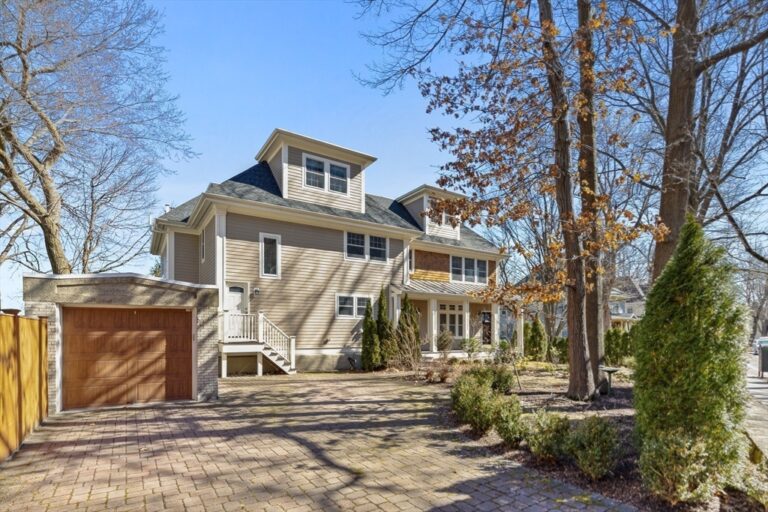
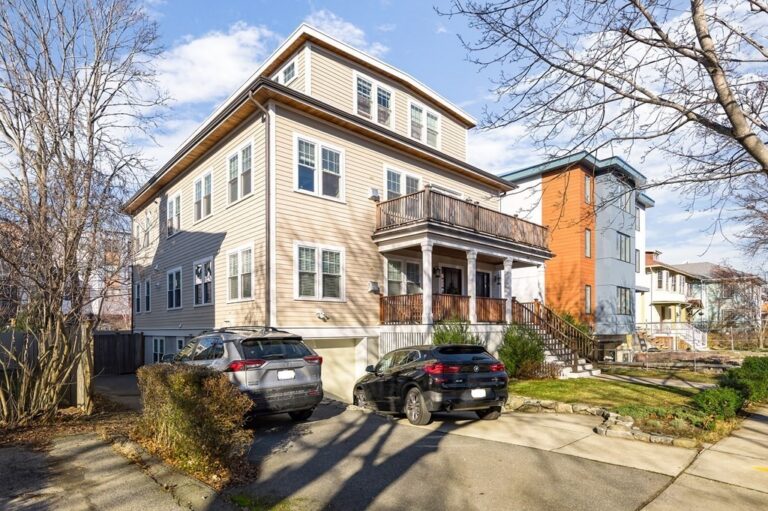
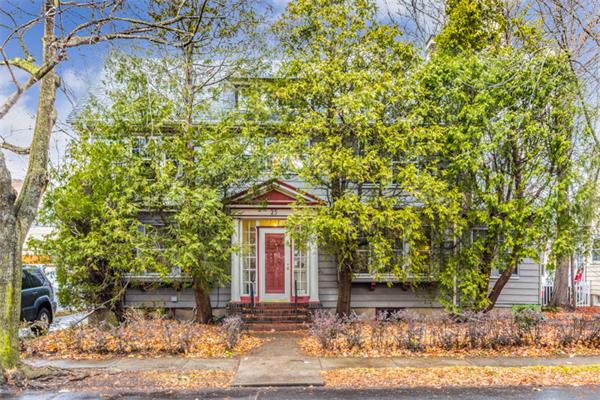
Massachusetts Governor Maura Healey recently announced an expansion of homebuyer assistance offering up to $25,000 in no-interest loans to first-time buyers, with funding aimed at addressing affordability challenges in high-cost markets including Brookline neighborhoods. The program runs through July 31, 2026, and replaces prior 15-year amortized loans with a 0% deferred payment structure. While this represents meaningful state intervention, Brookline’s median home values – exceeding $1.1 million in many pockets – raise practical questions about whether $25,000 can materially change access in one of Massachusetts’ most expensive communities.
Program Mechanics and Timing Constraints
The expanded assistance provides up to $25,000 in 0% interest loans to eligible first-time buyers who lock in a MassHousing mortgage between April 27 and July 31, 2026. Unlike previous programs requiring monthly payments at 2-3% interest, this loan carries no monthly obligation and defers repayment until sale, refinance, or mortgage payoff. Eligible households may earn up to 135% of area median income – translating to $205,335 in eastern Massachusetts, which includes Brookline. The $25 million in state funding targets approximately 1,000 families statewide, creating urgency given finite resources and the three-month application window.
Funds may be applied toward down payments, closing costs, interest rate buydowns, or upfront mortgage insurance. In Coolidge Corner or other transit-accessible areas where prices routinely exceed $1.3 million, buyers may find the assistance more useful for closing costs – which can reach $20,000 – rather than down payments that typically require six figures for conventional financing.
What Brookline Buyers Should Watch
First-time buyers near income thresholds: Households earning between $150,000 and $205,335 may finally qualify for state assistance previously reserved for lower-income brackets, but Brookline’s price points often demand total liquidity well beyond what this program provides, particularly for single-family homes in Fisher Hill or Chestnut Hill where entry prices start near $1.5 million.
Condo buyers in mixed-use corridors: The program may offer more meaningful impact for buyers targeting smaller condos in Brookline Village or Washington Square, where units occasionally list between $400,000 and $700,000 – price ranges where $25,000 represents 3-6% of purchase price rather than 1-2%.
Buyers with existing savings: Those who’ve accumulated partial down payments but fall short of 10-20% thresholds may use the assistance to avoid private mortgage insurance or reduce monthly carrying costs through rate buydowns, potentially improving debt-to-income ratios enough to qualify for larger loans.
July deadline considerations: The compressed timeline favors buyers already pre-approved and actively searching; waiting until June or July risks exhausting allocated funds before applications process, and Brookline’s typical 30-45 day closing windows leave little margin for delays.
Structural Limitations in High-Cost Markets
While the 0% interest structure and deferred repayment represent genuine improvements over prior programs, $25,000 assistance against seven-figure price points yields limited leverage. Brookline’s affordability challenge stems less from down payment structure than from absolute price levels that require household incomes well above $200,000 to meet traditional debt-to-income standards. The program may help marginal buyers cross financing thresholds, but it does not fundamentally alter the reality that most Brookline homes remain inaccessible to households earning even at the upper eligibility limit.
Prospective applicants should verify lender participation – MassHousing works through approved lenders – and complete required homebuyer education courses before the summer deadline. The program’s limited funding and short window suggest early applicants will have better odds of securing assistance before allocations deplete.




 Sold
Sold