
An easement on a property does not automatically make it a bad purchase. It does mean that someone else has a defined right to use part of the land for a particular purpose—and you need to understand how that right affects the home.
Brookline’s Kennard Road school-route project offers a timely example. Town Meeting approved authority to acquire land rights for that public work. A buyer near the project should find out whether their particular parcel is involved rather than assume the entire neighborhood is affected.
What is an easement, in plain English?
It is a legal right that can allow a person or organization to use land owned by someone else. The right might concern access, utilities, construction or maintenance. The actual document defines what is allowed.
For example, a town might need temporary access beside a sidewalk while rebuilding it. A separate permanent right might allow a public improvement to remain or be maintained. Those are different arrangements, even if they affect the same frontage.
Start with “where,” not just “what”
A small area beside a public sidewalk can have a different practical effect from a right across the middle of a driveway or yard. Ask your attorney to review the instrument with the title documents, and use a plan or survey to locate the area.
Then walk it. Is that the place where you expect to park, plant a hedge, build steps or replace a retaining wall? Could the permitted work affect access or require part of the landscape to be restored?
Temporary and permanent rights need different questions
For a temporary construction easement, ask when it begins, how it ends, what access is permitted and what restoration is required. The word “temporary” is not a substitute for reading the term and ending conditions.
For a permanent easement, ask what future use or maintenance is allowed and what restrictions apply to the owner. Do not assume you can build over the area or block access because it looks like part of the yard.
What should happen before closing?
Collect notices, agreements, plans and relevant correspondence early. A proposed easement on a project drawing and a recorded easement are different stages. Your attorney should establish which applies and explain any effect on your plans. Our guide to what happens after a Brookline zoning vote offers another example of why a general approval and a project’s next steps need separate review.
If the issue is material, resolve it within the purchase’s actual deadlines. Ask your lender and insurer what information they need. Keep a written record of project contacts and answers so you are not relying on a seller’s recollection of an old meeting. If your plans also include an additional dwelling, our Brookline ADU permit checklist explains which property records to collect before describing that potential.
How does an easement affect value?
There is no single discount that applies to every easement. Location, permitted use and the effect on access or future improvements all matter. The right may have little effect on one home and be central to another buyer’s plans.
The Bushari Team can help evaluate the home and the practical tradeoffs. Your attorney should interpret the property’s legal rights and obligations.
Sources: Kennard Road land-rights example · Town Meeting results.
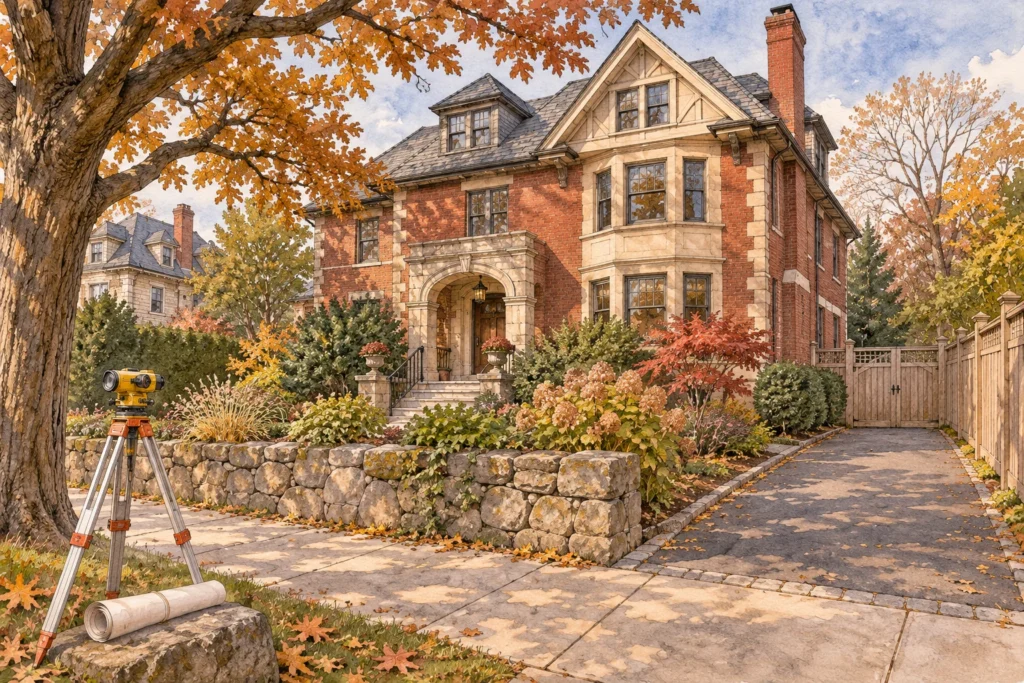
Featured image: AI-generated editorial illustration. The scene is fictional, not a photograph or an approved project rendering.