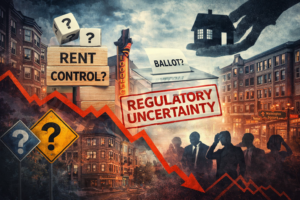
Pleasant Street overlay and Chestnut Hill rezoning signal denser development ahead. What buyers, sellers, and landlords should watch in May 2026 Town Meeting.

Between February and March 2026, Brookline’s Town Meeting Members Association circulated emails on the Comprehensive Plan, a controversial Pleasant Street development, and public records transparency—topics that may sound procedural but carry direct implications for property values, development timelines, and neighborhood character across Coolidge Corner, Chestnut Hill, and adjacent transit corridors. The May 26, 2026 Annual Town Meeting warrant now formalizes those debates, with Article 16 proposing a Pleasant Street Multifamily Overlay District enabling approximately 103 residential units on 26 Pleasant Street, currently zoned M-1.0. The overlay permits up to 7 stories and a 4.0 floor area ratio with reduced parking, consistent with transit-oriented development principles already codified in Brookline’s MBTA Communities multifamily zoning adopted in Fall 2023.
Why Pleasant Street and Chestnut Hill Overlays Matter Now
Brookline is quietly assembling a development pipeline that favors density in walkable, Green Line–served locations. The Pleasant Street overlay joins the Chestnut Hill Commercial Area Study recommendations—both scheduled for votes at the May 26 Town Meeting—and together they signal that land values in mixed-use corridors are shifting upward while single-family zoning remains entrenched in South Brookline. Developers and multifamily investors should note that feasibility studies and land assemblies are accelerating behind the scenes; Brookline investment properties in these overlay zones may command premiums as approval pathways become clearer and construction timelines compress.
Buyers seeking multifamily or mixed-use properties: The Pleasant Street and Chestnut Hill overlays favor buildings of 7+ stories with 4.0 FAR, meaning competition for commercial or development-eligible parcels may rise and site assembly costs will trend upward. Identify eligible parcels in these overlays and adjacent MBTA Communities zones, compare approval timelines versus single-family zoning, and factor in inclusionary zoning requirements—likely 20–25% affordable units on-site or cash contributions to the Brookline Housing Trust.
Residential sellers in Coolidge Corner, Harvard Street, and Brookline Village: Rezoning near Green Line stations creates headwinds for single-family house values as land value shifts toward density potential. Coolidge Corner’s median sale price in January 2026 was $1.3 million, up 27% year-over-year, but inventory is loosening and homes sold in approximately 57 days in December 2025 versus 48 days a year prior. Price carefully against comparable sales, not optimistic 2024 comps, and prepare for buyer questions about future zoning risk or rezoning upside.
What Landlords and Renters Should Watch
Landlords and property managers: Article 12 of the May 2026 warrant proposes requiring public posting of all public record requests and Town responses within 14 days, increasing transparency around rental requests and complaints. Tenant advocacy and public scrutiny are rising, and compliance obligations—especially around inclusionary zoning and affordability rules—are expanding. Review lease templates for accessibility and fair housing compliance, and monitor Town Meeting decisions on rent-stabilization proposals that have failed in the past but face persistent cultural pressure.
Renters and income-eligible households: New multifamily projects at Pleasant Street, Chestnut Hill, and the 181-unit Walnut High Apartments redevelopment (with 37 units at or below 30% AMI and 144 units at 30–50% AMI) are targeted at 30–80% area median income. Brookline’s real-time vacancy rate is 0.77%, down 17.20% year-over-year, so new supply may ease competition at the margins but won’t immediately lower rents. Track inclusionary zoning cash-in-lieu thresholds and apply early to affordable lotteries for Brookline apartments.
Source: Source
About Elad Bushari
Elad Bushari is an Executive Vice President at Compass and a leading Brookline, Massachusetts real estate agent with over $1 Billion in career sales and 22+ years of experience. He represents buyers, sellers, landlords, tenants and developers across Brookline's most sought-after neighborhoods, including Coolidge Corner, Fisher Hill, Chestnut Hill, Washington Square, and Brookline Village.
A former Inc. 5000 founder and REALTOR® Magazine "30 Under 30" honoree, Elad specializes in luxury single-family homes, condominiums, and multi-family investments throughout Greater Boston. His data-driven approach and deep local knowledge help clients navigate Brookline's competitive market with confidence.
Elad Bushari's Profile
Filed under: